

How does RFID work? Tags, readers and software explained
An RFID system has four parts: tags on your items, readers that pick them up, middleware that cleans the reads and software that turns them into stock or access records. This page explains what each part does and how to choose the right setup for your items.
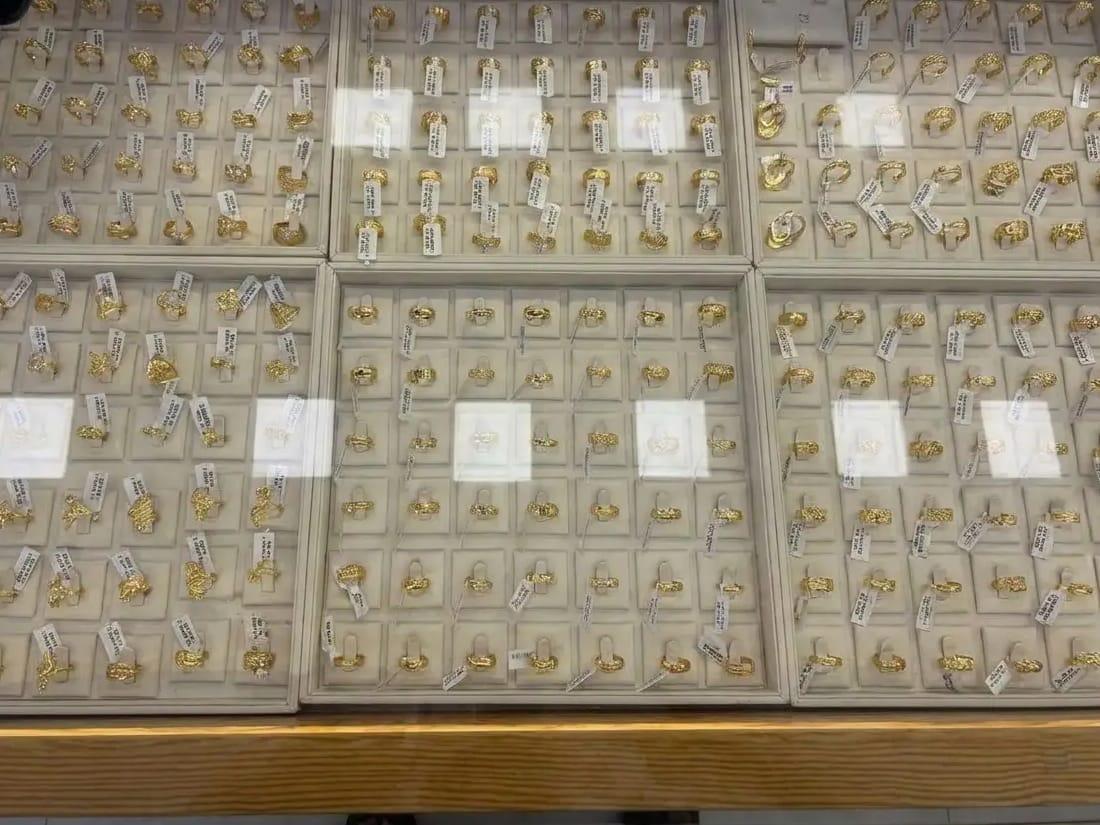
How RFID tags and readers connect to your software
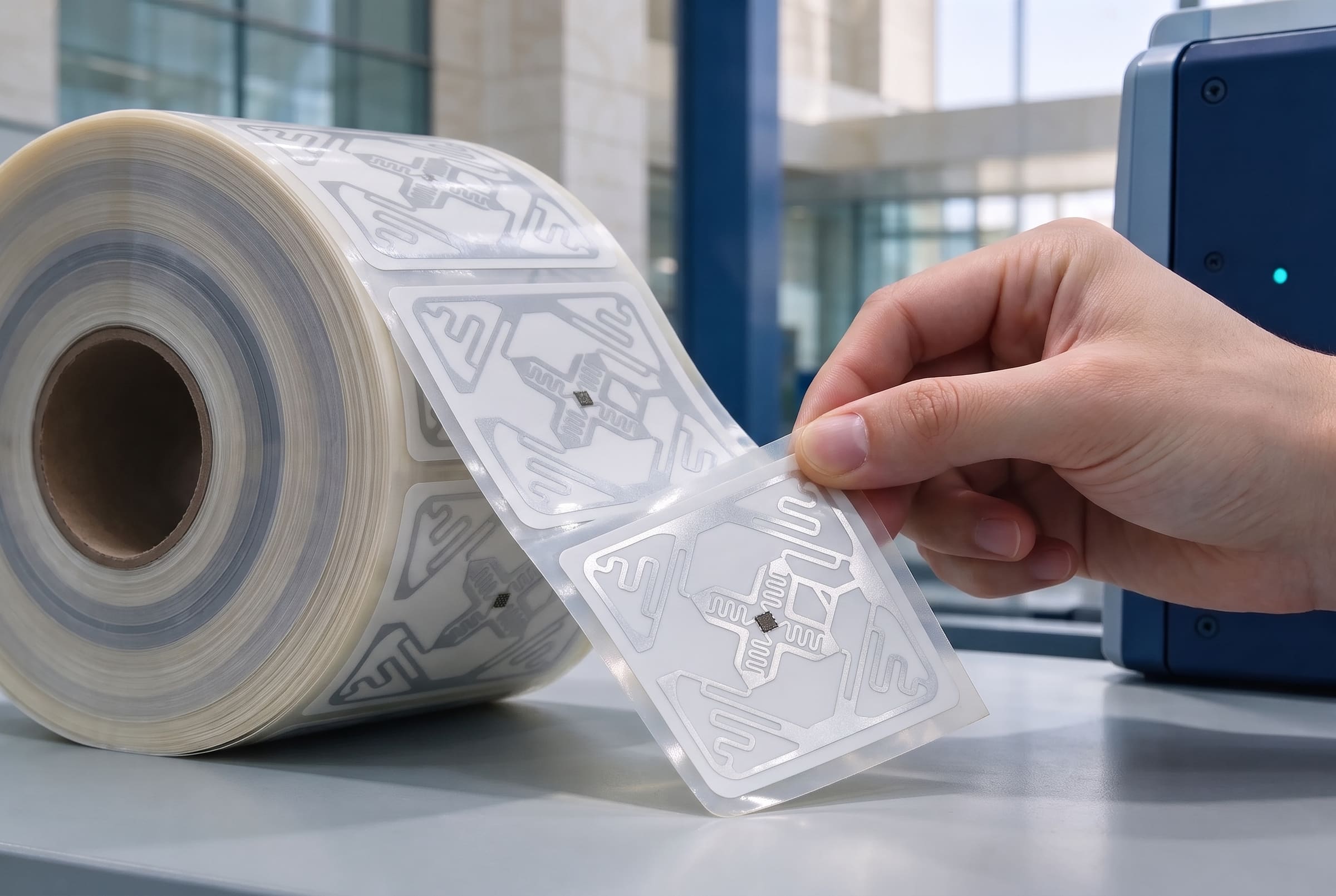 Illustrative image
- The tag on the item carries its ID.
- The reader picks up the tag at the shelf, door or counter.
- The middleware filters the reads and passes on clean events.
- The software, such as an ERP or POS, updates stock or access records.
The reader
- A fixed reader or portal watches a door, a lane or a shelf.
- A handheld reader is carried to the items, for counts and searches.
- The antenna and its read zone decide which tags are heard.
Choosing the right type of RFID
You count many items in a shop, a stockroom or on pallets.
UHF
because tags are read in bulk at range, so a handheld reader or a portal counts them without anyone handling each item. See RFID for retail and apparel and RFID for warehouses.
You want staff to open a door with a card.
HF or NFC
because the card has to be held close to the reader, which suits one person at one door. See RFID for assets and access.
You want customers or staff to tap a phone on an item or a reader.
NFC
because NFC is the type phones support, either reading a tag or acting as a card.
You need to know where equipment is across a site.
UHF
because fixed readers at the doors and handheld readers on a walk-round can both pick up the tags on equipment. See RFID asset tracking.
You need to track stock and also control who opens which door.
Both: UHF and HF or NFC
because they do different jobs: UHF for the stock, HF or NFC for the doors.
Frequently asked questions about how RFID works
RFID vs barcode: which is better for inventory counting?
RFID is better when you count many items at once. A barcode is enough when items are scanned one at a time. RFID reads many tags in one pass and does not need line of sight, while a barcode needs a clear scan of each item. Many businesses use both. See examples in retail and apparel and warehouses.
Can RFID inventory integrate with my existing ERP and POS system?
Usually yes, through software in between. Readers send reads to middleware, which filters them and passes clean stock events to your ERP or POS. How easy that is depends on the interfaces your system offers, so we check it case by case. See RFID ERP and POS integration.
What is RFID middleware?
RFID middleware is the software between the readers and your business system. It collects the raw reads, drops duplicates and stray reads, and passes clean stock or access events to your ERP or POS. Open formats such as GS1 EPCIS let different systems share those events.
Can my phone read RFID tags?
A phone with NFC can read NFC tags and cards, which are a kind of HF. It cannot read UHF tags; those need a UHF reader. A phone can also act as a contactless card, which the NFC Forum calls Card Emulation.
Talk to us about RFID for your business
Tell us your industry and the items you need to track. We reply with the tags and readers that fit.